
The short answer
Many published estimates overlap around $3,000–$10,000.
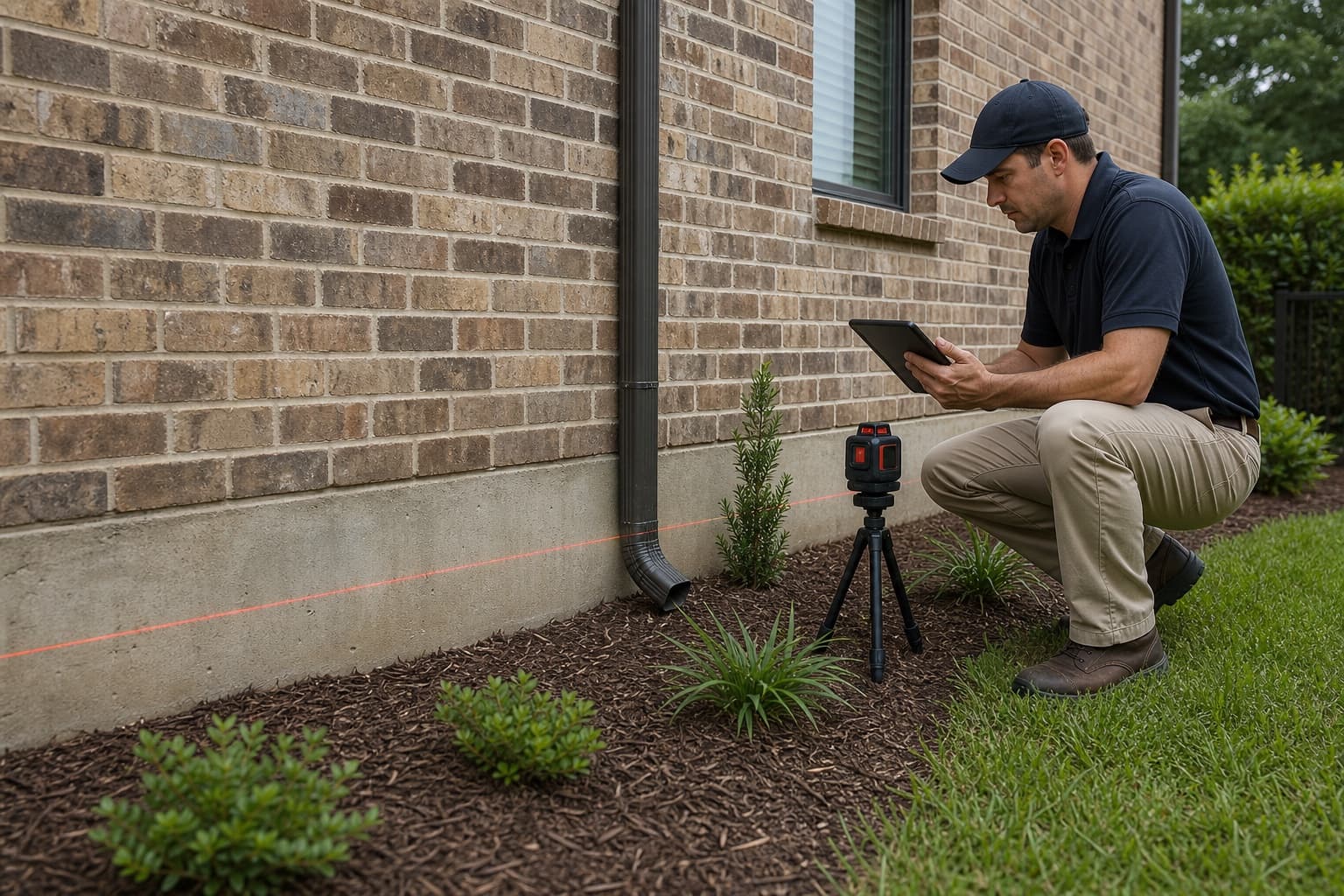
2026 Dallas-Fort Worth pricing guide
Published Dallas and national estimates place many foundation repair projects in the several-thousand-dollar range, but the real price depends on the repair scope, foundation type, method, access, support count, drainage, engineering, plumbing, and restoration at the property.
Planning ranges on this page come from third-party 2026 market data. They are not guaranteed TX Foundation Pros prices or property quotes.
The short answer
Many published estimates overlap around $3,000–$10,000.
The important answer
Scope matters more than a citywide average.
The right next step
Inspect first, then price the defined work.
Why the numbers differ: Angi reports a $5,223 Dallas average, while a Dallas contractor reports a higher average for its own 2026 booked foundation projects. Those datasets likely contain different repair mixes. This guide shows the disagreement rather than turning one average into a promise.
Original cost visual
The ranges intentionally overlap. A limited repair at the high end can cost more than a simple project in another category, and a major scope can combine structural, access, drainage, plumbing, engineering, and restoration work.
Review the accessible pricing tableMinor or limited
Crack sealing or narrowly defined work
$250–$3,500
Common planning band
Many published repair totals overlap here
$3,000–$10,000
Larger repair
Broader underpinning or multi-part scopes
$10,000–$20,000
Major or complex
Extensive structural or combined work
$20,000–$30,000+
Compare units before totals
Per-pier references and whole-project ranges are labeled separately. A per-pier number does not include every project cost, and a whole-project range may represent a different method or problem entirely.
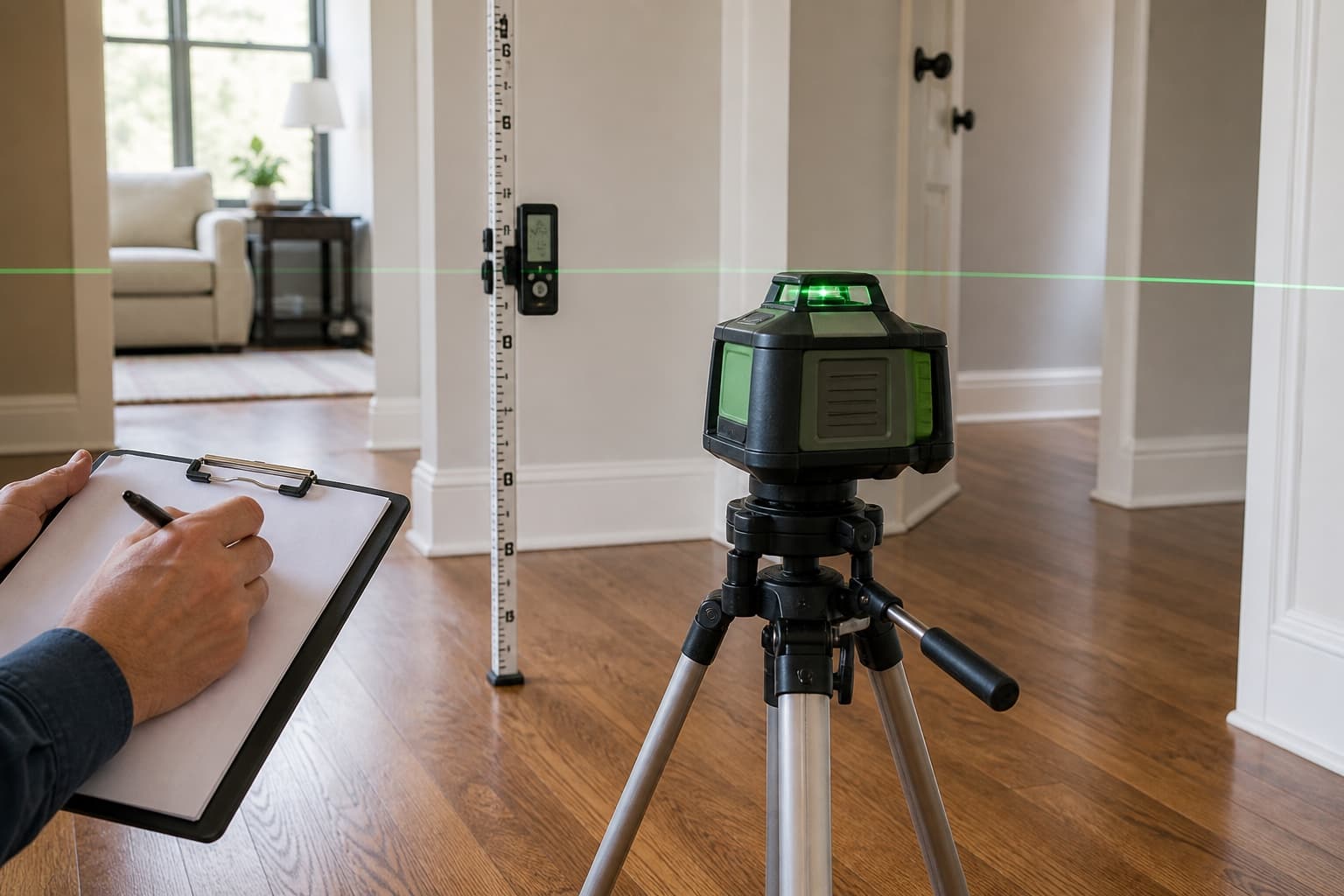
Price follows evidence
A crack, sticking door, or sloping floor can justify an evaluation, but it cannot set the repair method or price by appearance alone. The free contractor inspection connects visible conditions with measurements, construction, drainage, grading, plumbing indicators, and access before repair options are discussed.
Learn what is reviewed during a foundation inspection, then explore the broader foundation repair process.
Ten variables to define
Cost is the result of a scope. The deeper guide to foundation repair cost factors explains how each item should appear in an estimate.
Support quantity and placement can change materials, excavation, labor, access, and restoration.
Concrete slabs and raised-floor systems expose different components and require different repair planning.
Push piers, drilled piers, helical systems, shimming, beam work, and injection are not priced the same way.
Interior supports can involve flooring, dust control, concrete openings, protection, and finish restoration.
A localized area may call for a smaller scope than a pattern extending across multiple parts of the structure.
Grading, roof runoff, discharge routes, excavation, and separate water-management work can affect the plan.
Testing, access, repairs, and retesting by an appropriate plumbing professional may be separate.
Jurisdiction, scope, documentation, engineering, and inspection requirements differ by project.
Driveways, patios, walks, interior slabs, and access openings can add removal and restoration work.
Landscaping, fences, irrigation, finishes, cleanup, and unexpected obstructions should be defined in writing.
Replace averages with property evidence
Start with a free contractor foundation inspection. Repair work, engineering, plumbing testing, permits, and other third-party services are separate when needed.
Illustrative Example
One current contractor guide publishes approximately $765–$1,350 per drilled or steel push pier and $3,500–$4,400 per helical pier. Concrete, steel, drilled, hybrid, and helical systems are different methods.
The visual uses a rounded $1,000 hypothetical unit only to show how quantity changes the base pier portion. It is not a TX Foundation Pros rate or final quote.
6 hypothetical piers
$6,000
6 × $1,000 for the base pier portion only
12 hypothetical piers
$12,000
12 × $1,000 for the base pier portion only
20 hypothetical piers
$20,000
20 × $1,000 for the base pier portion only
Why multiplication is not a project quote
Excavation, depth, interior access, plumbing, engineering, permits, concrete removal and replacement, drainage, landscaping restoration, utilities, and other repair components can add cost. Pier count should follow the measured pattern and proposed method—not a budget target.
Compare steel and concrete pier questionsDifferent systems, different scopes
Neither system is always cheaper to repair. A small slab scope may cost less than extensive raised-floor framing work, while a complex interior slab scope may cost more than limited shimming. Inspection findings decide the comparison.
Concrete slab
$1,000–$15,000
Planning may involve perimeter or interior access, support installation, concrete openings, plumbing coordination, injection, and surface restoration. The movement pattern—not the slab label alone—defines the scope.
Explore slab foundation repairPier and beam
$2,000–$15,000
Crawlspace access, shims, piers, beams, joists, moisture, ventilation, plumbing, and the amount of controlled adjustment can each change the work. An accessible crawlspace is helpful, but it does not make every repair simple.
Explore pier and beam foundation repairKnow what is and is not included
Free contractor inspection
Potential additional costs
From symptoms to written scope
The sequence keeps price behind the evidence. Not every inspection ends with a repair recommendation, and not every project needs every step or specialist.
Discuss what changed, where it appears, when it began, and whether it has progressed.
Compare interior and exterior observations with the foundation system and accessible construction.
Use measurements as one part of the evidence rather than treating a single reading as a diagnosis.
Review grading, roof runoff, drainage routes, landscaping, hardscape, and relevant plumbing indicators.
Separate repair needs from monitoring, maintenance, drainage, or specialist questions.
Identify the proposed repair approach, work areas, access points, and support quantity when applicable.
Clarify engineering, permits, plumbing, concrete, landscaping, exclusions, and restoration responsibilities.
Connect the price to a defined scope so competing proposals can be compared on equivalent terms.
Dallas market context
Angi reports a $5,223 Dallas average and a $3,338–$7,118 typical range. Another Dallas contractor reports a $11,117 average for its own 2026 booked work. The difference likely reflects project mix, which is why neither number should be treated as a quote.
Dallas pricing can be affected by slab or raised-floor construction, interior access, additions, dense-lot drainage, alleys, plumbing questions, concrete openings, and permit or engineering requirements.
Foundation services in DallasFort Worth market context
Fort Worth spans older raised-floor homes, established slab neighborhoods, newer construction, sloped sites, and varied access conditions. A useful budget starts with the DFW planning bands, then narrows around the property’s foundation system and measured repair scope.
Crawlspace framing, broad slab footprints, terrain, drainage routes, interior work, utility coordination, hardscape, and restoration can affect Fort Worth estimates differently from one property to the next.
Foundation services in Fort WorthPricing across the Metroplex
Repair pricing usually changes more because of the property, method, foundation type, access, and scope than because one neighboring DFW city is inherently more expensive. Use these local pages for service-area and property context—not city-specific price promises.
Dallas and nearby markets
Dallas & Park CitiesFort Worth and West Metro
Fort Worth & West DFWMid-Cities
Mid-CitiesNorth and Central DFW
North Dallas & Collin CountyMatch the service to the finding
These services solve different property conditions. An inspection helps determine which path deserves consideration before their prices are compared.
Start with the complete structural repair decision and scope.
Explore Foundation RepairReview the evidence needed before pricing a repair.
Explore Foundation InspectionUnderstand slab access, support, plumbing, and restoration variables.
Explore Slab Foundation RepairCompare crawlspace support, framing, moisture, and adjustment needs.
Explore Pier and Beam Foundation RepairSee how leveling goals and methods depend on the foundation system.
Explore House LevelingSeparate limited crack treatment from broader structural questions.
Explore Foundation Crack RepairEvaluate settled flatwork separately from the house foundation.
Explore Concrete LevelingDefine water-management scope, outlet, excavation, and restoration.
Explore Drainage CorrectionReview when subsurface drainage may fit the observed water path.
Explore French Drain InstallationUse monitoring and moisture-management steps when repair is not indicated.
Explore Foundation MaintenanceAccessible reference table
Every public number below has a source record. Ranges are third-party market references and can overlap because the repair types, units, and scopes differ.
| Repair / service | Planning range | Pricing unit | What changes the cost |
|---|---|---|---|
| Minor crack repair | $250–$3,500 | per crack or limited scope | Crack type, material, access, movement evidence, and whether the work is cosmetic or structural. |
| Foundation pier installation | $765–$1,350 | per pier | Pier system, depth, interior or exterior access, excavation, spacing, and restoration. |
| Slab foundation repair | $1,000–$15,000 | whole project | Movement pattern, repair method, number and location of supports, access, plumbing, and concrete work. |
| Pier and beam repair | $2,000–$15,000 | whole project | Crawlspace access, shims, piers, beams, joists, moisture conditions, and adjustment scope. |
| House or foundation leveling | $1,000–$10,000 | whole project | Foundation type, affected area, repair method, support work, and finish or utility coordination. |
| Concrete leveling | $2,110–$2,855 | reported project averages | Panel size, void depth, method, access, condition of the concrete, and drainage. |
| Drainage correction | $2,800–$8,000 | whole project | System length, excavation, inlet and outlet design, grading, utilities, access, and restoration. |
| Major underpinning | $15,000–$30,000+ | whole project | Foundation size, number and type of supports, access, engineering, permits, utilities, and related work. |

Compare scope before price
Put estimates side by side only after matching the proposed repair areas, method, quantities, access, related work, exclusions, and documentation.
Go deeper without losing the main question
This page is the commercial DFW pricing hub. These educational guides cover narrower questions about cost drivers, inspection roles, warning signs, contractor selection, cracks, drainage, and foundation systems.
Pricing questions
Answers distinguish published market estimates from a property quote and keep the free contractor inspection separate from engineering, plumbing, permits, and repair work.
Angi's 2026 Dallas cost page reports an average of $5,223 and a typical range of $3,338–$7,118. Those figures are third-party market estimates, not TX Foundation Pros pricing. A Dallas property may fall outside that range depending on the foundation type, movement pattern, repair method, support count, access, drainage, plumbing, engineering, permits, and restoration.
A defensible Fort Worth budget should start with the broader DFW planning bands rather than a city-only number. Published 2026 estimates overlap around several thousand dollars for many projects, while limited repairs can be lower and complex underpinning can reach the major-project band shown on this page. The property and repair scope usually matter more than the city line.
Published figures differ because they measure different project mixes. Angi reports a $5,223 Dallas average, while one Dallas contractor reports an $11,117 average for its own 2026 booked foundation projects. That gap is a useful warning: an average cannot replace a property-specific scope.
One current contractor-published guide places drilled and steel push pier references within a broader $765–$1,350 span, while helical piers are listed around $3,500–$4,400 per pier. These are planning references, not TX Foundation Pros prices. Interior access, depth, excavation, engineering, concrete, plumbing, and restoration can change the total project cost.
Published slab repair estimates are broad. A practical planning range is about $1,000 to $15,000, but the method and affected area matter. Crack treatment, concrete leveling, and structural underpinning solve different problems and should not be treated as interchangeable prices.
A common published planning range is about $2,000 to $15,000, while extensive support replacement, beam or joist work, moisture damage, or underpinning can exceed that range. Crawlspace access and the condition of individual components are major variables.
Quotes can include different repair areas, methods, pier types, quantities, access assumptions, engineering, plumbing, drainage, concrete restoration, exclusions, and warranty terms. Compare the written scope before comparing the total price.
Yes. TX Foundation Pros offers a free contractor foundation inspection to review visible conditions, measurements, foundation type, drainage, and other relevant property factors. Independent engineering, plumbing testing, permits, repair work, and other third-party services are separate when needed.
Coverage depends on the policy language and the cause of the loss. Foundation movement, maintenance, drainage, plumbing, and sudden covered events may be treated differently. Ask the insurer for a written coverage decision and do not assume an inspection or repair estimate determines coverage.
A smaller verified scope may cost less than extensive work, but an early warning sign does not automatically mean repair is needed or that the work will be minor. Document changes and request an inspection before making a cost assumption.
It may. Drainage correction is often a separate scope with its own excavation, materials, outlet, access, and restoration requirements. Ask whether drainage is included, recommended separately, or expected before or after structural work.
Not every contractor inspection or repair discussion requires an independent engineer, but engineering may be appropriate because of the structure, jurisdiction, transaction, dispute, project scope, or need for an independent opinion. Confirm who retains the engineer, what the deliverable includes, and whether the fee is separate.
TX Foundation Pros did not independently verify the underlying project records. Source dates and geography are shown so homeowners can judge freshness and relevance. No source range is represented as a TX Foundation Pros offer.
Dallas, Texas · Updated October 7, 2025 · consumer cost publisher
United States · Updated August 3, 2026 · consumer cost publisher
United States · Updated September 18, 2026 · consumer cost publisher
United States · Updated June 20, 2026 · consumer cost publisher
United States · 2026 publication · consumer cost publisher
Dallas-Fort Worth · 2026 year-to-date data · contractor-published project data
United States with Texas-oriented methods · Accessed September 2026 · contractor-published project data
Dallas-Fort Worth · 2026 year-to-date data · contractor-published project data
City of Dallas · Fee guide effective July 1, 2025 · municipal guidance
Property-specific pricing starts here
The first step is a free contractor foundation inspection. Share the changes you have noticed so the property, measurements, foundation type, drainage, and access can be reviewed before a repair estimate is discussed.