
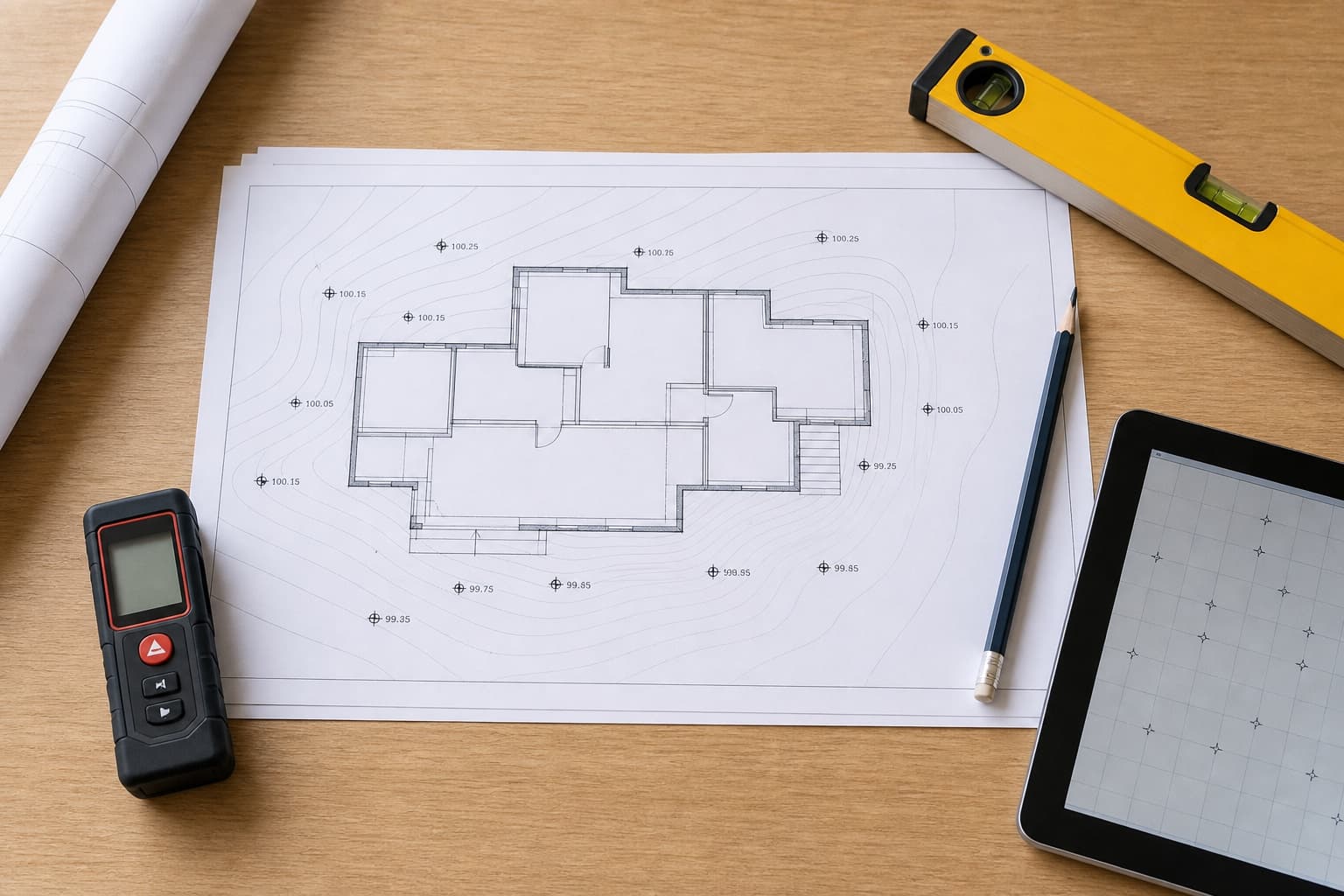
A foundation inspector and a structural engineer may both evaluate building concerns, but the engagement, deliverables, and professional role can differ. A foundation company inspection is commonly used to document visible conditions, collect relative measurements, review drainage and access, and discuss foundation-service options. A structural engineer may be appropriate when the owner needs independent engineering analysis, structural design, formal documentation, review of unusual construction, or input for another professional or jurisdiction.
Ask what you need from the visit before choosing an evaluator. The title alone does not define the exact scope.
The foundation repair cost guide for Dallas-Fort Worth separates the free TX Foundation Pros contractor inspection from published third-party estimates for engineering and other potential project costs.
What a foundation inspection commonly addresses
A property-focused foundation inspection may include an interview about changes, interior and exterior observations, relative floor elevations, foundation-type review, accessible support observations, drainage and grading context, plumbing indicators, additions, and prior repair information.
The deliverable may explain whether the observed pattern supports repair, drainage work, monitoring, plumbing evaluation, or another next step. When the inspecting company also offers repairs, ask how findings are separated from the proposed scope and price.
Review what happens during a foundation inspection for preparation, access, timing, and measurement details.
What a structural engineering evaluation may address
A structural engineer can evaluate structural systems within an agreed professional scope and may provide analysis, calculations, design details, drawings, or a sealed report when those services are included and appropriate. Not every engineering visit includes all of those deliverables.
Engineering involvement may be useful for:
- Significant structural alterations or removed walls
- Unusual framing or mixed structural systems
- Formal design of structural repairs
- Independent review of conflicting recommendations
- Commercial or multifamily coordination
- Documentation requested by another professional, lender, insurer, buyer, seller, or jurisdiction
Confirm whether the engineer will inspect the foundation, framing, drainage, plumbing context, or only a defined structural question. Ask what will be issued after the visit.
Independence and repair pricing are separate questions
Some property owners seek an engineer because they want analysis independent from a repair sale. Independence depends on the actual business relationship and engagement, not only a job title. Ask whether the evaluator or firm sells repair work, receives referral compensation, or has other relationships relevant to the decision.
An engineer may not provide repair pricing or contractor scheduling. A foundation company may provide a repair proposal but not engineering design. Either can coordinate with the other when the scope requires both.
Ask about measurements and access before the visit
Different evaluators may use different tools, reference points, documentation formats, and access assumptions. Ask whether the visit includes a floor-elevation map, crawlspace observation, exterior review, attic or framing review, drainage context, photographs, and written conclusions.
No evaluator can observe an inaccessible area simply because it is relevant. Furniture, floor finishes, low crawlspace clearance, standing water, utilities, locked spaces, or occupied operations can limit the inspection. Those limits should be documented.
Match the evaluator to the decision
A homeowner documenting cracks and sticking doors before considering repair may begin with a foundation inspection. A property owner planning a major structural alteration may need engineering design from the outset. A buyer reviewing prior repairs may want independent current-condition input plus document review. A commercial owner may need coordination among engineering, foundation repair, plumbing, drainage, and operations teams.
If a recommendation is substantial or disputed, the guide to getting a second foundation opinion can help determine whether another contractor inspection or engineering evaluation better answers the unresolved question.
Questions to ask any evaluator
Before scheduling, ask:
- What areas and systems are included?
- What measurements or testing will be performed?
- Which areas may be inaccessible?
- What written deliverable will I receive?
- Does the fee include follow-up questions or revisions?
- Will repair design, pricing, or contractor coordination be included?
- What qualifications or licenses apply to the promised work?
- Are there referral or financial relationships I should understand?
Verify answers independently when the decision depends on credentials, contracts, permitting, or professional services.
Use reports to define the next step
The useful outcome is a clear record of observations, limitations, and recommendations—not simply a label. If repair is proposed, compare the evaluator’s findings with the written foundation repair proposal. Use the contractor question guide to review scope, exclusions, documentation, and specialist responsibilities before authorizing foundation repair.