
A second foundation opinion is often worth considering when the first recommendation is difficult to connect to the evidence, two proposals describe very different movement patterns, the work would be expensive or disruptive, or the decision affects a purchase or sale. It can also help when site conditions changed after the original inspection or when the question may require a structural engineer, plumber, drainage professional, or another specialist.
The goal is not to collect opinions until one matches a preferred answer. It is to understand why qualified evaluators agree or disagree.
Request the first report and measurement record
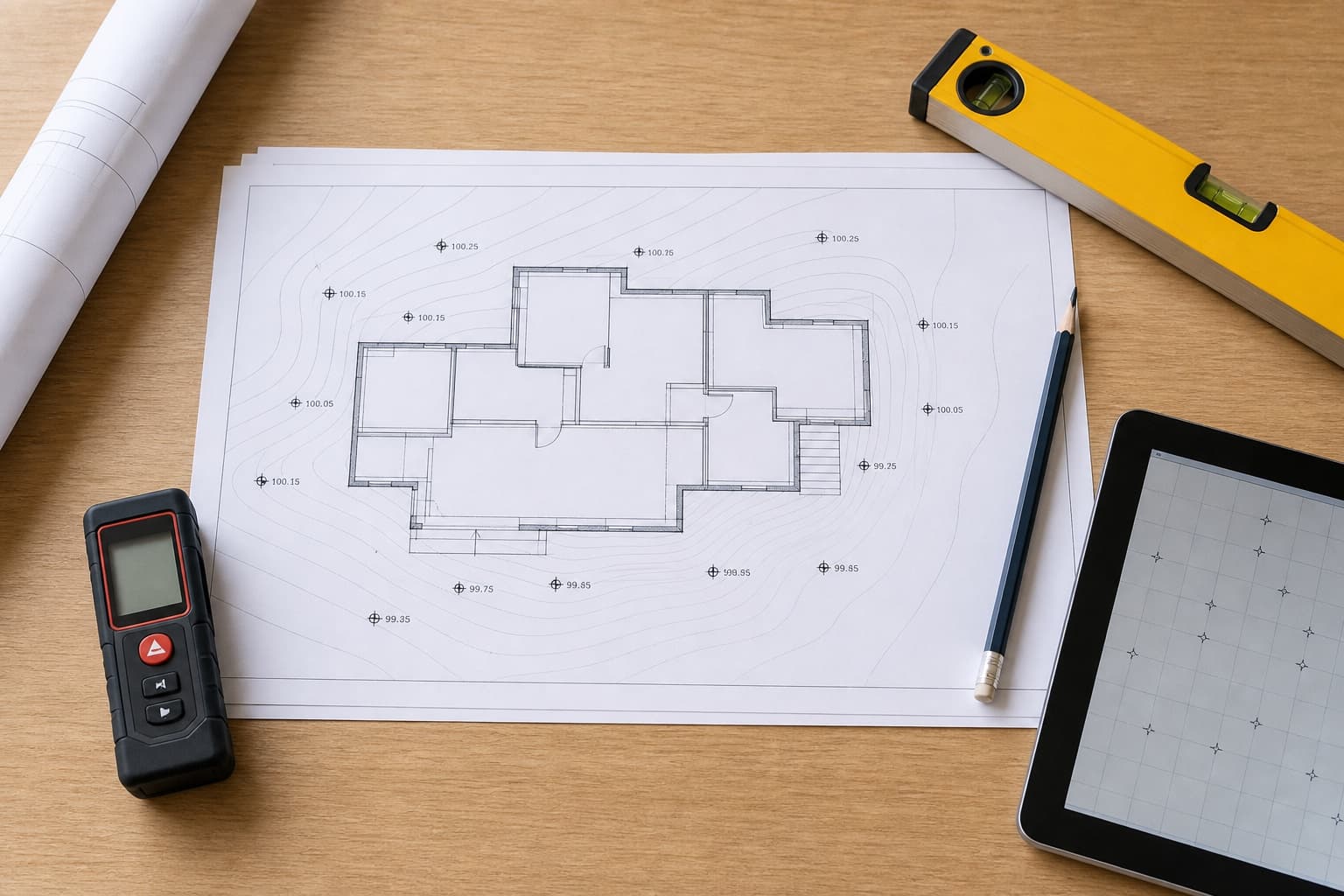
Before scheduling another visit, gather the first inspector’s written findings, floor-elevation map if provided, photographs, repair layout, drainage observations, plumbing recommendations, and limitations. Ask which areas were inaccessible and whether the recommendation depends on assumptions that still need testing.
A second evaluator should be able to review those documents without treating them as proof. Providing the records allows direct comparison and may reduce confusion over different reference points or terminology.
Large differences in scope deserve explanation
Two proposals may differ because companies use different repair systems, select different support locations, interpret additions differently, or had different access. They may also have measured the property at different times or used different reference points.
Compare:
- The movement pattern each evaluator identified
- The observations used to support that pattern
- The foundation sections included or excluded
- The proposed repair objective
- Drainage or plumbing dependencies
- Monitoring or specialist alternatives
- Access, restoration, and schedule assumptions
The guide to comparing foundation repair estimates provides a structured worksheet for this review.
Unclear evidence is a valid reason to pause
A standard repair diagram without a clear explanation of measurements, cracks, openings, foundation type, and site conditions leaves important questions unresolved. Ask the first evaluator to connect the recommendation to the property evidence. If the explanation remains incomplete, another foundation inspection may help.
A second opinion can also confirm that monitoring, maintenance, drainage work, plumbing testing, or no immediate structural repair is a reasonable next step. It should not be assumed that every additional evaluator will recommend work.
Changed conditions may require a new baseline
Heavy rain, drought, plumbing leaks, drainage changes, remodeling, or prior repair can make an older inspection less representative of current conditions. Bring dated photographs and describe what changed after the original visit.
Measurements from different dates are most useful when the reference method and accessible points are comparable. A new evaluator should explain whether the records can be compared directly or only used as background.
Transactions can justify independent review
Buyers and sellers may encounter prior repair documents, transferable warranty claims, old engineering letters, or a recent contractor proposal. A second evaluation can help organize the current condition and identify documents that need independent verification.
Do not assume a warranty transfer confirms present foundation condition or that a prior repair scope covers all parts of the building. Contract, disclosure, legal, and engineering questions may require professionals beyond a foundation company.
Know when a structural engineer may be appropriate
A contractor inspection and a structural engineering evaluation have different scopes and professional roles. Engineering input may be useful when structural design, load paths, significant alterations, formal documentation, unusual conditions, or conflicting recommendations require independent analysis.
The guide to foundation inspection versus structural engineer evaluation explains questions to ask before choosing. Do not assume every inspection includes engineering services or that every engineering visit includes repair pricing.
Compare the second opinion fairly
Give both evaluators the same known history and access where practical. Ask each to explain limitations and whether plumbing, drainage, framing, or other specialist work remains unresolved. Compare evidence before company claims or price.
Review what to expect during a foundation inspection so the second visit has a complete property history. Use the contractor question checklist before authorizing foundation repair. A well-used second opinion should make the decision clearer, not simply add another number to compare.