
Cracks that change or reopen
A dated record can show whether a repaired line returns, widens, lengthens, or changes after dry weather, heavy rain, plumbing work, or other property events.
Foundation service
Inspection-led evaluation of slab, brick, mortar, drywall, and opening-related cracks before structural or cosmetic work is selected.
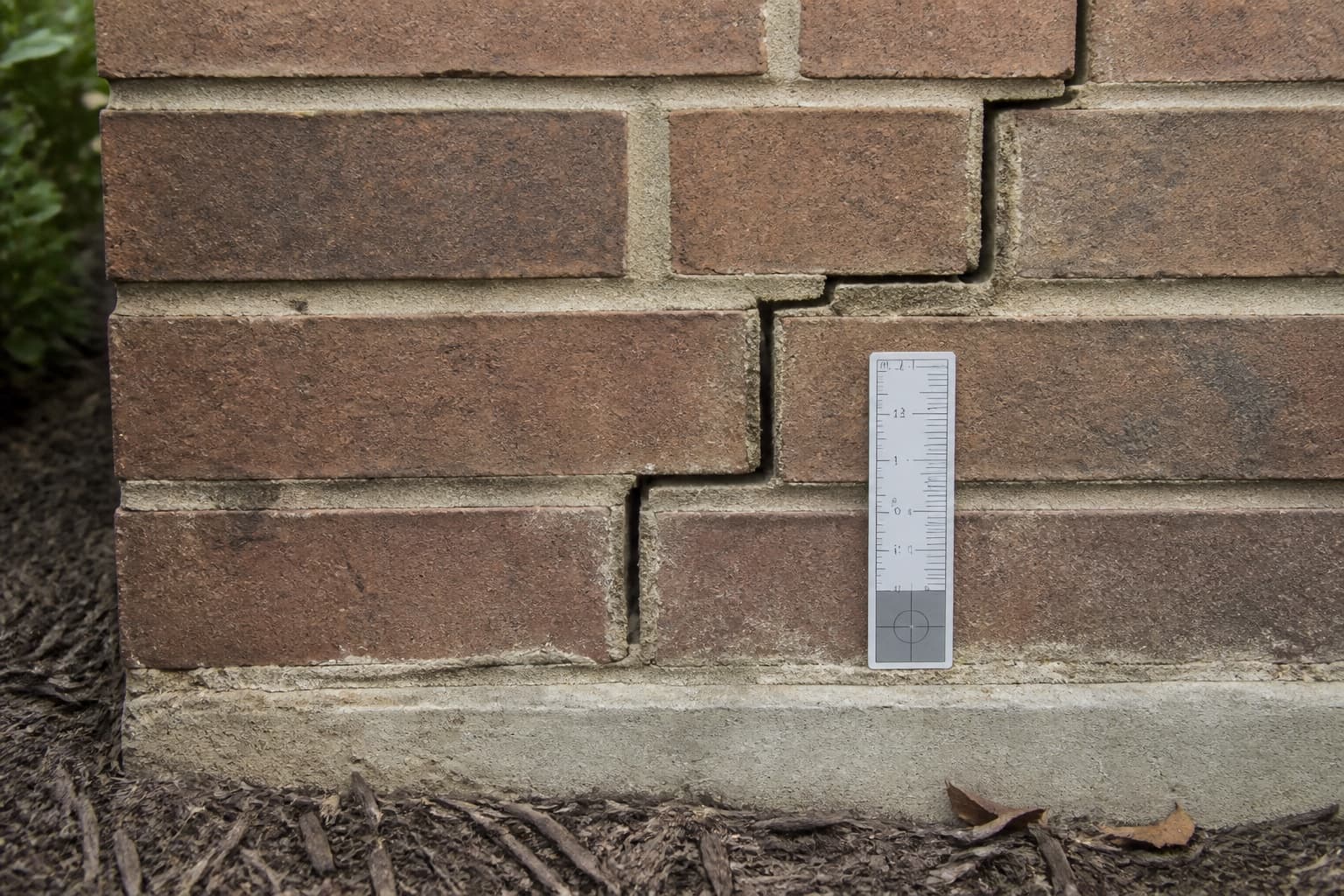
Foundation crack repair begins with identifying what material is cracked and why the condition developed. A line in concrete, brick veneer, mortar, drywall, ceiling texture, or tile can reflect different movement and may call for different trades. Filling or covering a crack before the pattern is understood can hide useful evidence without addressing a structural concern.
TX Foundation Pros evaluates visible cracking alongside floor elevations, doors and windows, exterior separation, foundation type, drainage, grading, plumbing indicators, additions, and prior repairs. If the evidence supports foundation movement, the repair discussion focuses on the affected support areas. If it does not, monitoring, masonry, drywall, plumbing, drainage, or another specialty may be the more appropriate next step.
The inspection should account for the property’s construction, observed changes, drainage, grading, and surrounding site conditions before a service path is selected.
Warning signs
These observations can have more than one explanation. Look for patterns, progression, and multiple signs in the same part of the property.
A dated record can show whether a repaired line returns, widens, lengthens, or changes after dry weather, heavy rain, plumbing work, or other property events.
Masonry patterns deserve comparison with openings, lintels, veneer support, wall planes, slab edges, grading, and nearby floor measurements.
Diagonal drywall or brick cracking becomes more informative when an opening also binds, separates from trim, or shows a related change on the exterior.
Several observations in the same area can justify an inspection even though no individual symptom proves that structural repair is needed.
Possible contributors
North Texas soil and weather can be relevant, but construction, drainage, plumbing, and property history also belong in the evaluation.
Concrete shrinkage, drywall joints, tile installation, mortar weathering, and finish transitions can create cracks that are not resolved through foundation support work.
Uneven support or movement can transfer stress into brittle finishes, but the location and direction must agree with measurements and other property evidence.
Changes in material, load path, lintels, framing, or separate foundation sections can concentrate cracking near doors, windows, additions, and transitions.
Roof runoff, drainage, grading, irrigation, plumbing leaks, and seasonal moisture may affect supporting conditions, but their relevance must be established at the property.
Inspection process
The review identifies where each crack begins and ends, which materials it crosses, whether it was previously repaired, and what nearby conditions changed.
Accessible floor measurements, openings, finishes, foundation edges, masonry, drainage, grading, and construction transitions are evaluated together.
The findings clarify whether support work, monitoring, drainage or plumbing evaluation, masonry repair, finish repair, or another specialist should be considered.
If service is recommended
01 / Define the structural objective
When foundation movement is supported by the inspection, the proposed repair identifies the affected areas, method category, access, and intended support or adjustment objective.
02 / Coordinate related conditions
Active plumbing, drainage, utility, or access questions are addressed in the proper sequence rather than treated as part of cosmetic crack filling.
03 / Plan finish repairs after movement work
Drywall, mortar, brick, tile, paint, and trim restoration are separate scopes whose timing and responsibility should be clear before foundation work begins.
Keep exploring
Related services
Questions
No. Crack significance depends on the material, pattern, location, change over time, measurements, construction, and surrounding conditions. Some cracks call for monitoring or finish repair rather than foundation work.
No. A photograph can document appearance, but it cannot provide floor measurements, opening behavior, exterior context, drainage, plumbing indicators, or the full construction pattern.
No. Filling or sealing addresses the visible concrete surface. Structural foundation repair addresses identified support or movement conditions when inspection evidence justifies that scope.
When practical, document them before cosmetic repair so the evaluator can see the pattern. Immediate water intrusion, loose material, or safety concerns may require faster attention from the appropriate trade.
Property-specific next steps
Share where the cracking appears, when you first noticed it, and whether nearby floors, openings, drainage, or plumbing conditions have changed during a free contractor inspection.