
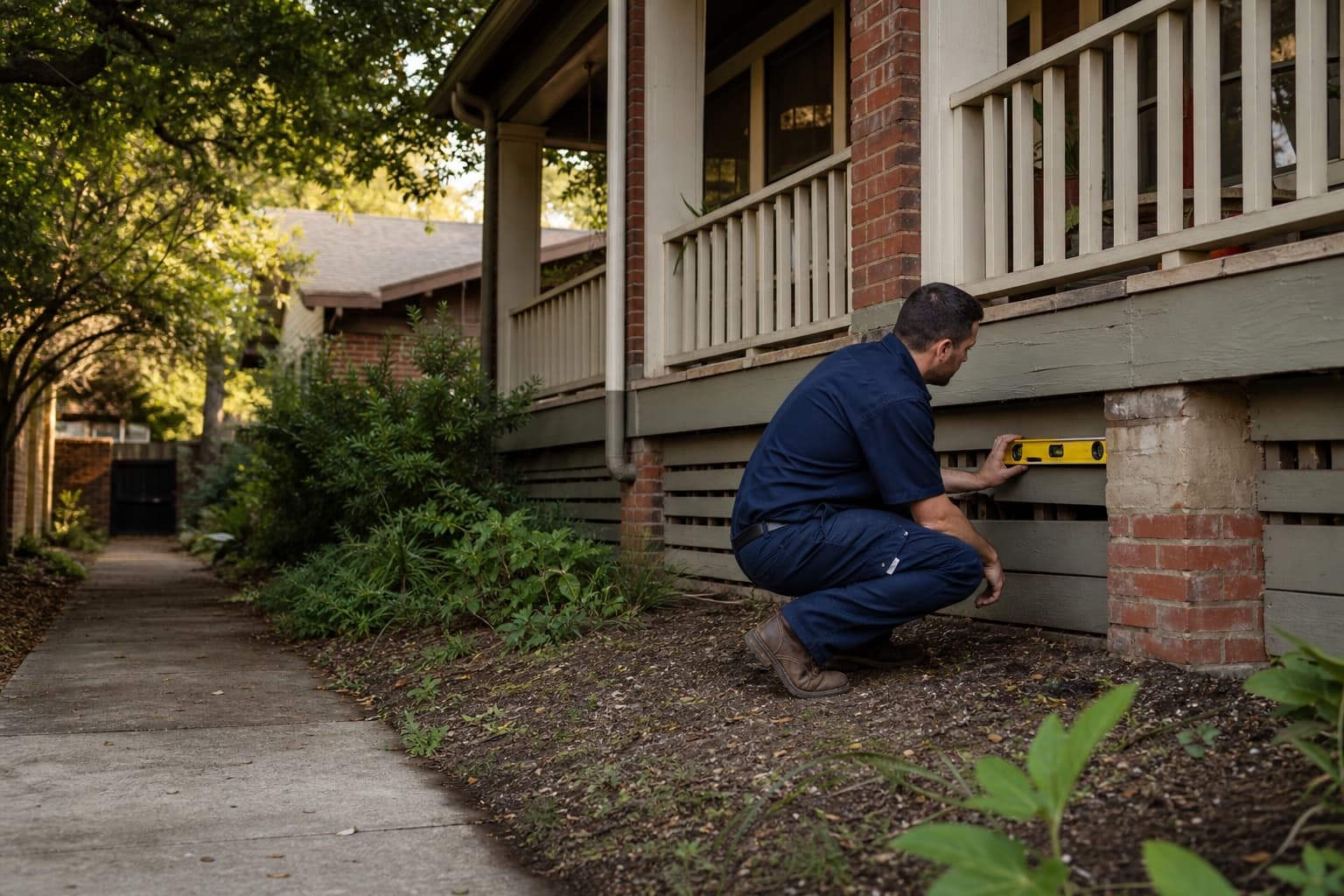
Pier and Beam Foundation Repair in Dallas, TX
Schedule a free inspection for uneven, sagging, or bouncy floors, crawlspace moisture, changed supports, and other pier and beam repair concerns at a Dallas property.
Explore Dallas pier and beam repairLocal raised-foundation repair guidance
Property-specific guidance for raised-floor homes in Dallas, Fort Worth, Arlington, and Garland.
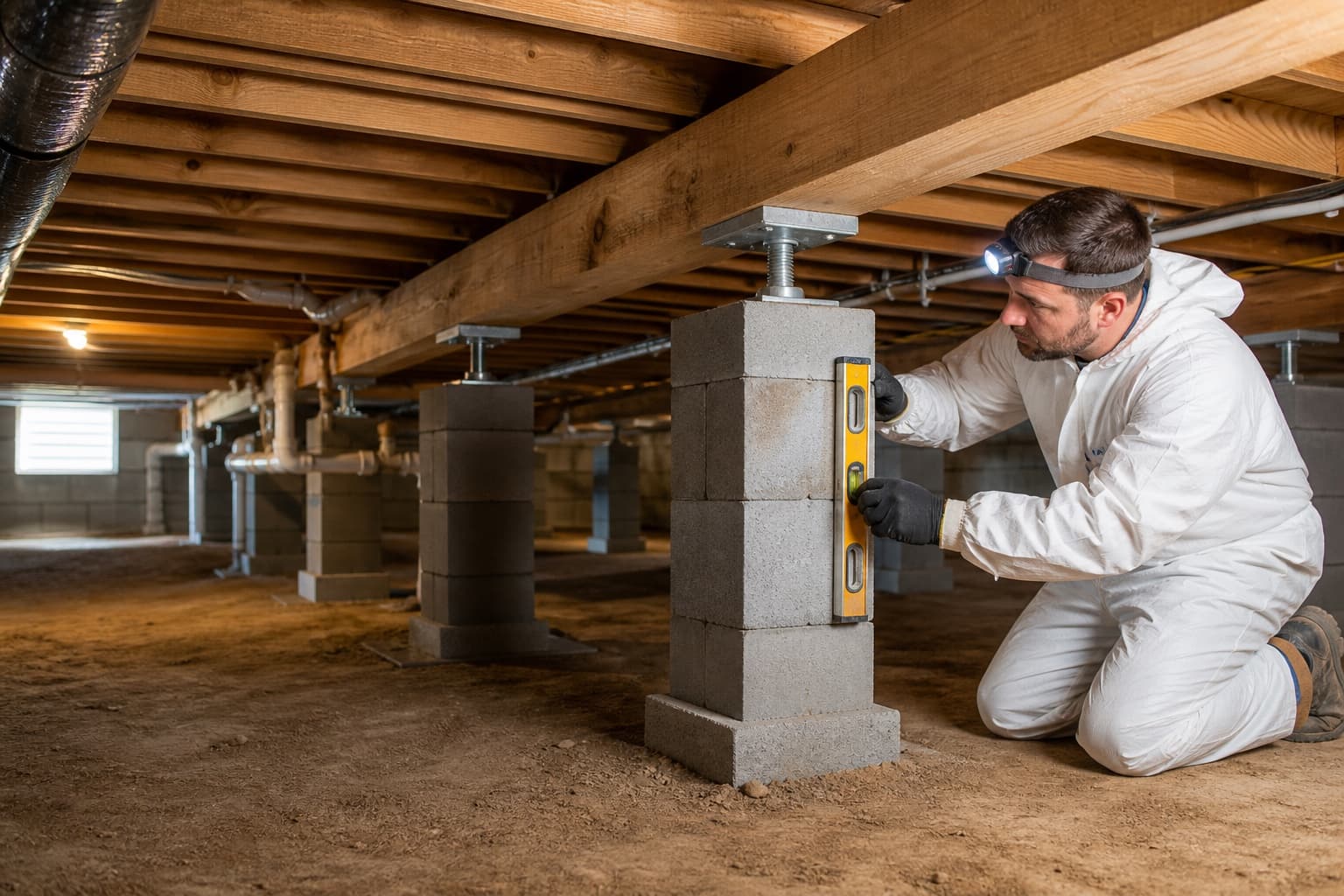
Pier and beam homes need a different inspection path from slab-on-grade properties. The floor system rests on piers or other supports, beams, joists, connections, shims, and subflooring above a crawlspace. Uneven or springy floors may relate to one support line, localized framing, moisture, plumbing, prior adjustments, additions, or several conditions working together.
This geographic hub connects the broad Pier and Beam Foundation Repair service with focused guidance for Dallas, Fort Worth, Arlington, and Garland. Each page addresses local housing context, crawlspace access, drainage, floor behavior, repair planning, and cost factors without claiming that every older home uses a raised foundation or that a neighborhood name diagnoses the cause of movement.
Published local pages
Each page uses a distinct local emphasis while keeping the recommendation tied to the individual structure and accessible evidence.
Schedule a free inspection for uneven, sagging, or bouncy floors, crawlspace moisture, changed supports, and other pier and beam repair concerns at a Dallas property.
Explore Dallas pier and beam repair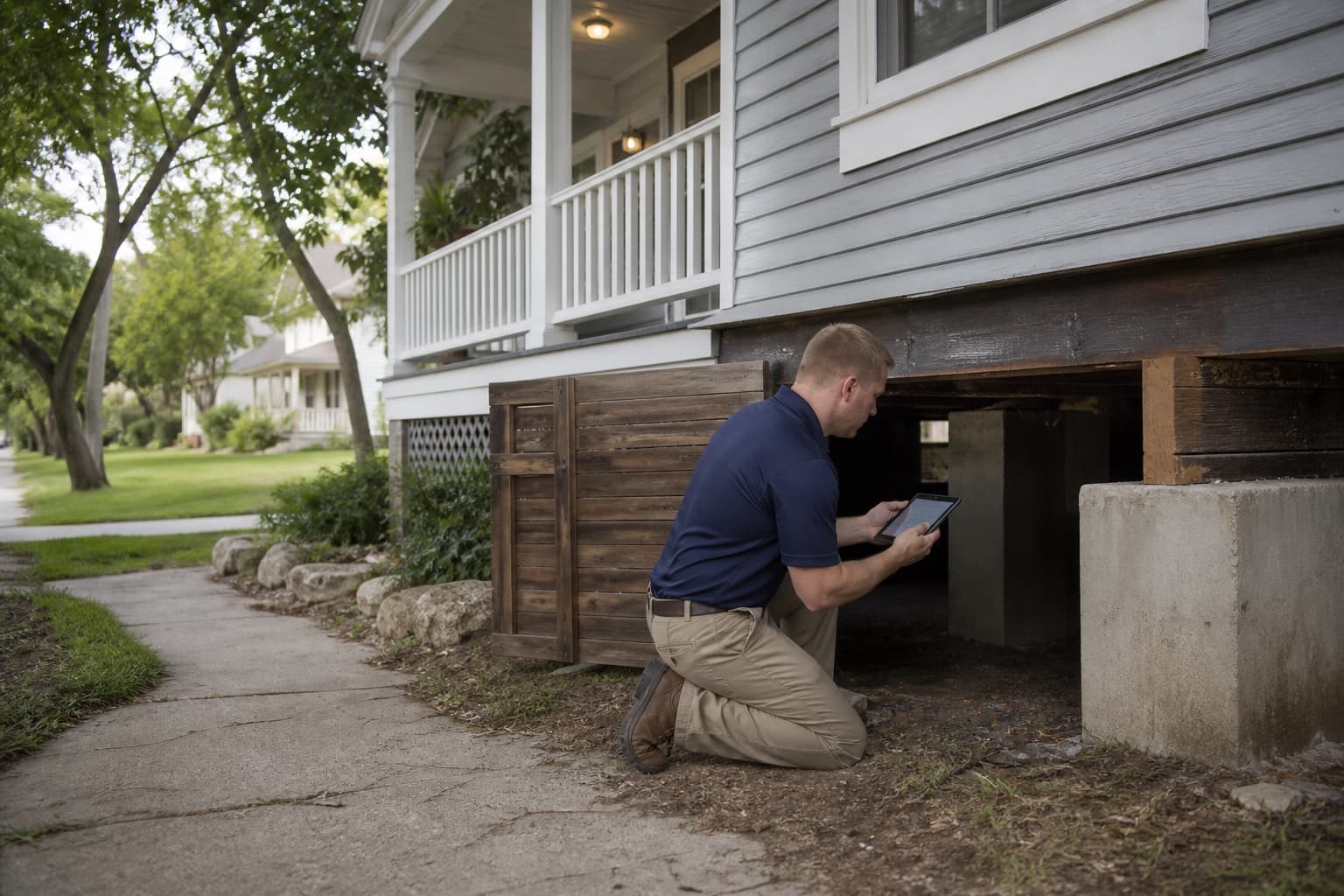
Evaluate sloping, sagging, or springy floors, crawlspace supports, framing, and moisture with the construction history of the Fort Worth property in view.
Explore Fort Worth pier and beam repair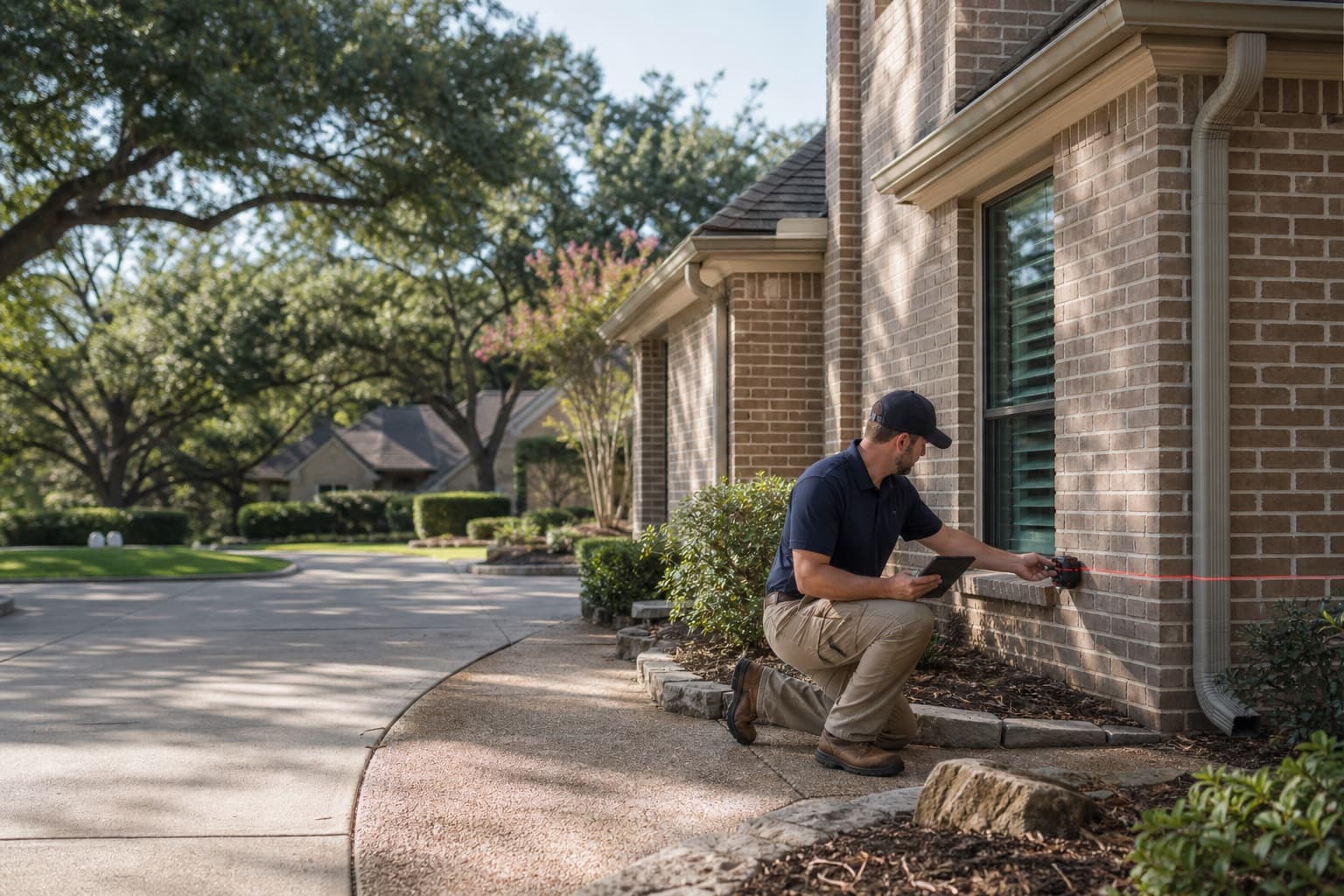
Schedule a free inspection for pier and beam repair concerns at an eligible Arlington home, including uneven floors, support changes, framing, crawlspace moisture, and access.
Explore Arlington pier and beam repair
Request a free Garland inspection for pier and beam foundation repair, sagging or bouncy floors, crawlspace supports, framing changes, moisture, and leveling concerns.
Explore Garland pier and beam repairInspection scope
Uneven floors are evidence to investigate, not a diagnosis by themselves.
Floor elevations, slope, bounce, soft areas, openings, and transitions help define the part of the structure that needs closer review.
Visible piers, beams, joists, shims, connections, framing changes, and prior work are compared with the conditions above.
Drainage, plumbing indicators, ventilation, clearance, debris, pests, utilities, and safe entry conditions can shape the inspection scope.
The findings may support repair, leveling, drainage work, monitoring, framing review, plumbing evaluation, or another specialist rather than one automatic solution.
Service-area questions
A pier and beam evaluation compares the floor pattern above with accessible piers, beams, joists, shims, connections, moisture, ventilation, utilities, and prior changes below. A slab inspection relies more heavily on floor elevations, visible distress, slab edges, plumbing context, and exterior conditions because most support components are concealed.
No. Floor slope, sag, or bounce can involve support movement, framing spans, subflooring, localized wood damage, finishes, alterations, or original construction. The inspection should identify the pattern and accessible cause before repair or leveling is recommended.
Standing water, low clearance, pests, debris, exposed electrical conditions, damaged access, or unstable framing may make entry unsafe. Exterior drainage, interior measurements, access openings, and other visible evidence can still be reviewed, and the inspection should document any limitations or specialist needs.
Start with the property
Tell us what has changed, where you notice it, and whether the crawlspace is safely accessible.