
You can sell a Texas house with known or suspected foundation problems, but the condition should be evaluated and handled transparently. The seller's practical choices often include repairing before listing, obtaining information without completing repair, or marketing the property with the condition reflected in negotiations. The best path depends on the evidence, timeline, financing considerations, contract, and professional advice.
Do not rely on a verbal opinion or assume that an old repair means the current foundation is defective. Start by organizing what is known today.
Get current information before choosing a sales strategy
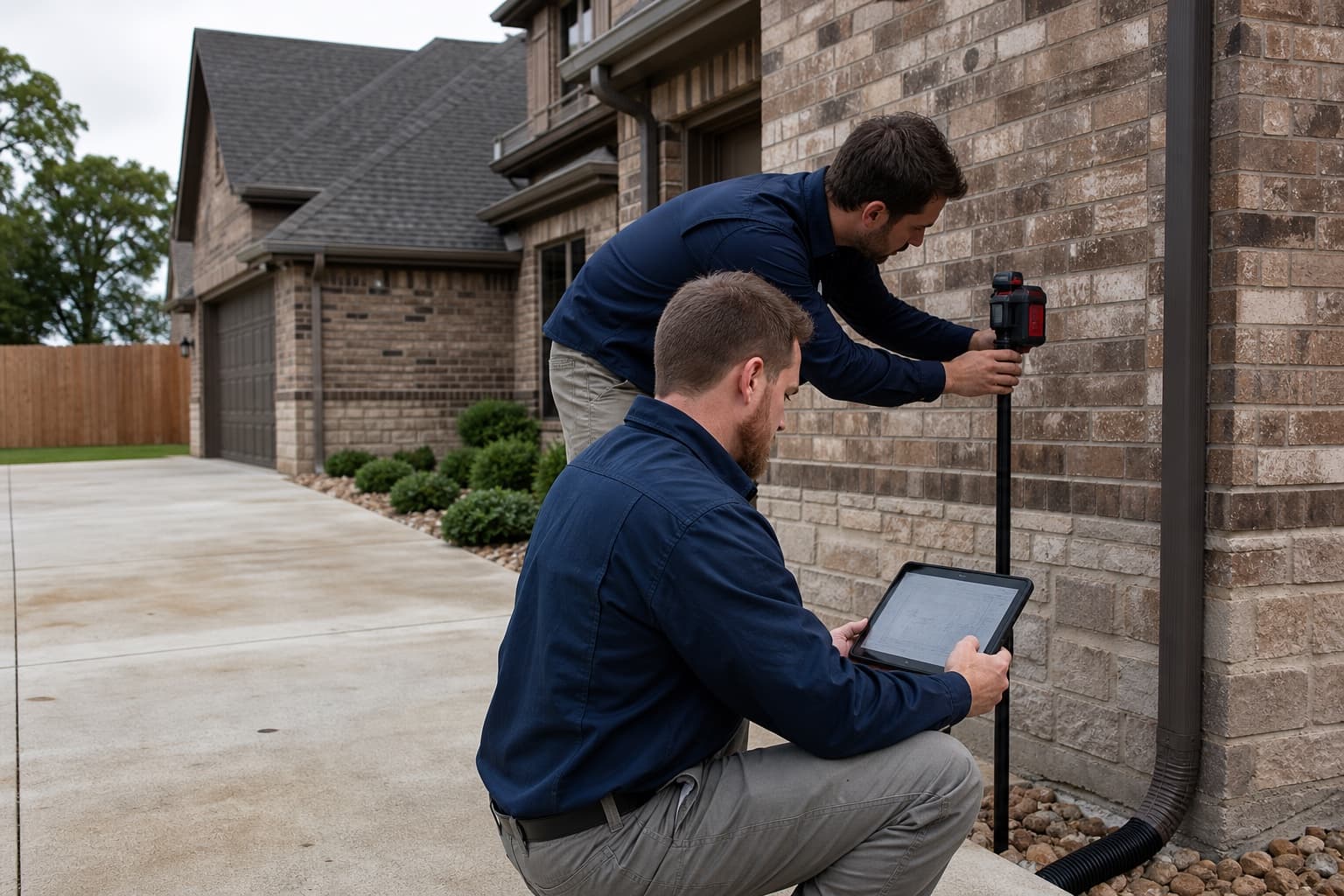
Cracks, uneven floors, sticking doors, and prior repairs can raise buyer questions, but they do not define the present condition by themselves. A current foundation inspection can document accessible elevations, visible patterns, foundation type, drainage, and other property context.
The inspection may support monitoring, repair discussion, plumbing or engineering follow-up, or no immediate structural scope. If repair is proposed, request a written plan that identifies included locations, exclusions, access, restoration, and documentation.
Texas disclosure is a separate responsibility
Texas Property Code Section 5.008 generally requires a seller of certain residential real property to provide a written disclosure notice, subject to statutory details and exemptions. The prescribed notice asks about known defects or malfunctions involving the foundation or slab, floors, walls, plumbing, previous structural repair, improper drainage, and soil movement.
The Texas Real Estate Commission Seller's Disclosure Notice states that the form reflects the seller's knowledge and is not a substitute for inspections or warranties a buyer may obtain.
This article cannot determine which form or exemption applies to a transaction. Ask a Texas real-estate professional or attorney how to complete required disclosures accurately.
Should you repair the foundation before selling?
Repair before listing may be worth considering when the scope is well supported, the seller has enough time, and completed documentation could reduce uncertainty. It can also create new scheduling, restoration, warranty, and disclosure questions.
Before authorizing work, ask:
- Is the recommendation based on current measurements and observations?
- Does the scope address the concern buyers are likely to investigate?
- Are plumbing, engineering, permits, or restoration separate?
- When will completion documents and warranty terms be available?
- Could the work affect flooring, walls, cabinets, landscaping, or utilities?
- Does the listing schedule allow time for repair and follow-up?
Compare foundation repair with broader reconstruction if proposals describe substantially different objectives.
When selling without repair may be considered
A seller may decide not to complete repair before listing because of timing, cash flow, an uncertain scope, planned redevelopment, or a buyer who prefers to control the work. That decision does not remove disclosure, inspection, contract, lender, or appraisal considerations.
An “as-is” contract term should not be treated as a substitute for legal advice or accurate disclosure. Discuss the proposed transaction structure with the appropriate professionals.
Build a clear property file
Useful documents can include:
- Current and prior foundation inspection reports
- Elevation sketches or measurement records
- Engineering reports, if obtained
- Plumbing test results and invoices
- Repair proposals, contracts, and completion records
- Repair-location diagrams and photographs
- Warranty documents and transfer instructions
- Permits or municipal records, when applicable
- Drainage, landscaping, or irrigation work records
- Dates and photographs of observed changes
Label preliminary proposals as proposals rather than completed work. Do not represent a warranty as transferable until its terms and transfer process are verified.
Compare repair proposals on scope, not price alone
Two estimates can reflect different repair locations, methods, access assumptions, restoration, plumbing, or objectives. The estimate comparison guide and foundation repair cost page can help organize planning questions without predicting the transaction's final cost or value.
Avoid claiming that a repair will increase the sale price, guarantee financing, or eliminate every buyer concern. Market response depends on the property and transaction.
Prepare for the buyer's inspection
A buyer may obtain a general home inspection, foundation evaluation, plumbing test, engineering review, or another specialist opinion. Different reports can use different measurements, dates, access, and professional scopes.
If a new report differs from an older one, compare the actual observations and repair objectives. A second foundation opinion may be useful when recommendations conflict.
Questions for your listing team
Ask the real-estate and legal professionals handling the transaction:
- Which disclosures and attachments apply?
- How should prior repair and current observations be described?
- Should reports or proposals be provided with the disclosure package?
- Could the repair decision affect timing, appraisal, insurance, or financing?
- How will buyer-requested inspections and access be managed?
- Who should answer technical questions about the foundation scope?
Foundation contractors should explain their own inspection and proposal, not provide legal or transaction advice.
Request an inspection before making the repair decision
TX Foundation Pros offers a free contractor foundation inspection for Dallas-Fort Worth properties. The inspection can help document current conditions and clarify whether a repair conversation is appropriate. Sellers should coordinate any resulting information with their real-estate, legal, lending, engineering, plumbing, or other professionals as the transaction requires.